Chapter 1
IN THIS LESSON
Let’s start with history
IASTM stands for "instrument-assisted soft tissue mobilization" and uses tools to manipulate the body's soft tissues. IASTM is an umbrella term that includes modalities such as scraping, cupping, and the use of trigger point tools. This course is explicitly focused on scraping.
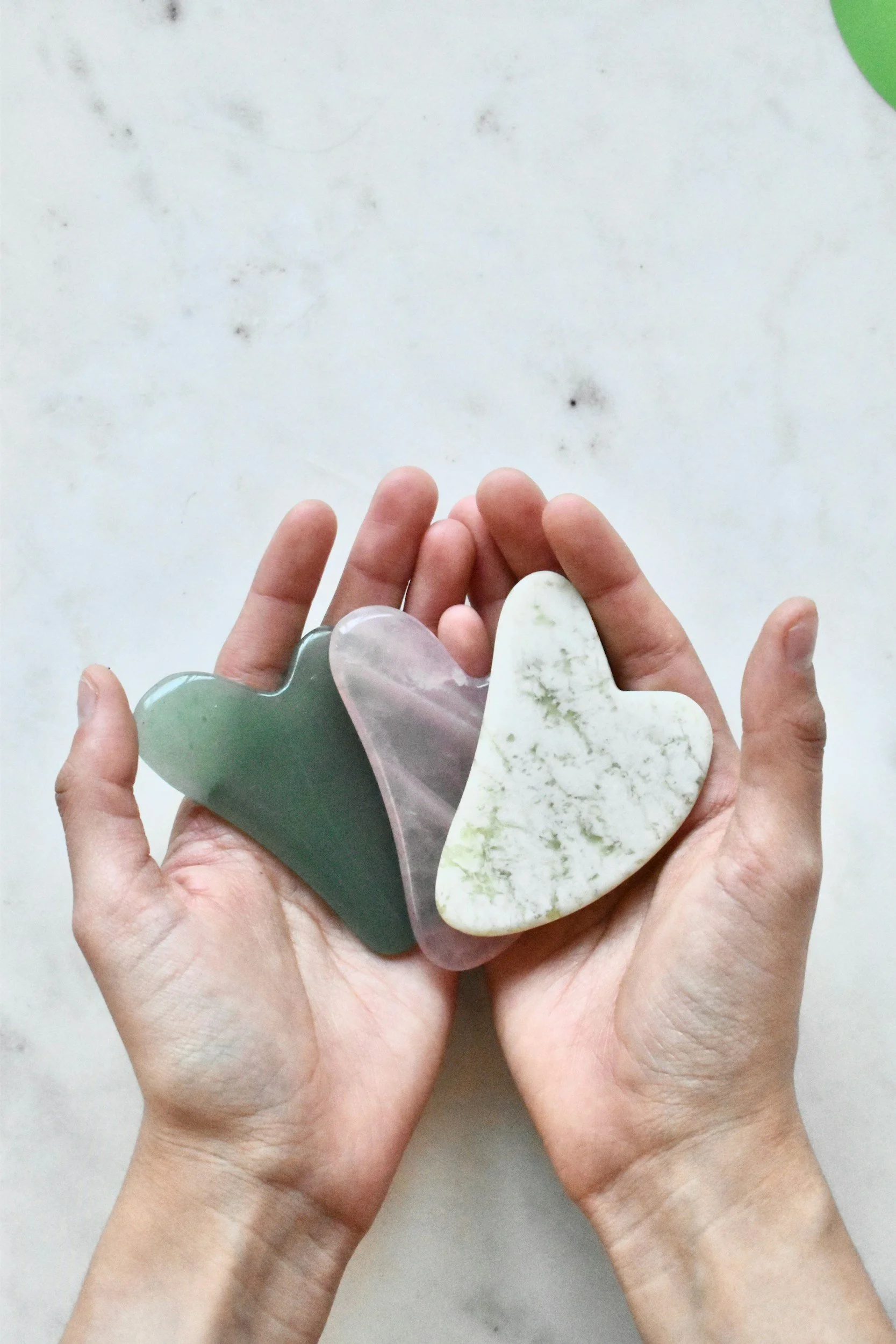
HistoryScraping originates from Traditional Chinese Medicine in which a tool (usually a stone, bone, horn, or coin) was "scraped" over the skin vigorously to produce "sha", or a superficial bruise now known as petechia, hence the name "gua-sha"(Chu et al., 2021).
In traditional medicine, the discoloration of the bruising was believed to be related to stagnation of energy (chi), which was the source of the pain or discomfort. Once the area was sufficiently discolored, it was thought that the stagnation had been released, and chi could now flow freely.
As you may have imagined, we now know that this is not necessarily how IASTM works, but it's essential to understand the origin story and pay respects to early medical practitioners. While they may not have been entirely accurate, they were onto something.
Since then, many schools of thought and educational organizations have been developed, such as Graston Technique, FAKTOR, and HawkGrips, which teach and promote using IASTM for various soft tissue pathologies. In most of these educations, the instrument is used as a detector of dysfunctional tissue and a treatment modality. The instrument is used to scan the area for fibrous "adhesions" under the skin and then to produce a friction massage against the tissue, resulting in minor amounts of trauma, leading to a temporary inflammatory response that increases circulation and prompts healing. This technique is used by chiropractors, osteopathic physicians, physical therapists, massage therapists, and athletic trainers to reduce pain, improve tissue functionality, decrease fascial restrictions, and prompt better collagen alignment of scar tissue (McKivigan and Tulimero, 2020). We will discuss some of the science behind scraping later and explore some of the nuances found in the research.
Scope of PracticeIt's essential to check with legislation that the use of tools is allowed in your jurisdiction.
Every state and region is different. For example, in Texas, massage therapists are considered medical professionals and can use various tools and modalities, even electrical stimulation, to manipulate and tend to the soft tissues. However, some states and businesses will restrict therapists from using only their hands.
Download the Introduction to IASTM Free PDF
References:
Chu, E. C. P., Wong, A. Y. L., Sim, P., & Krüger, F. (2021). Exploring scraping therapy: Contemporary views on an ancient healing - A review. Journal of family medicine and primary care, 10(8), 2757–2762. https://doi.org/10.4103/jfmpc.jfmpc_360_21
McKivigan, J. M., & Tulimero, G. (2020). An analysis of graston technique® for Soft-Tissue therapy. Rehabilitation Science, 5(4), 31. https://doi.org/10.11648/j.rs.20200504.11