AI won’t save you, but a mentor might.
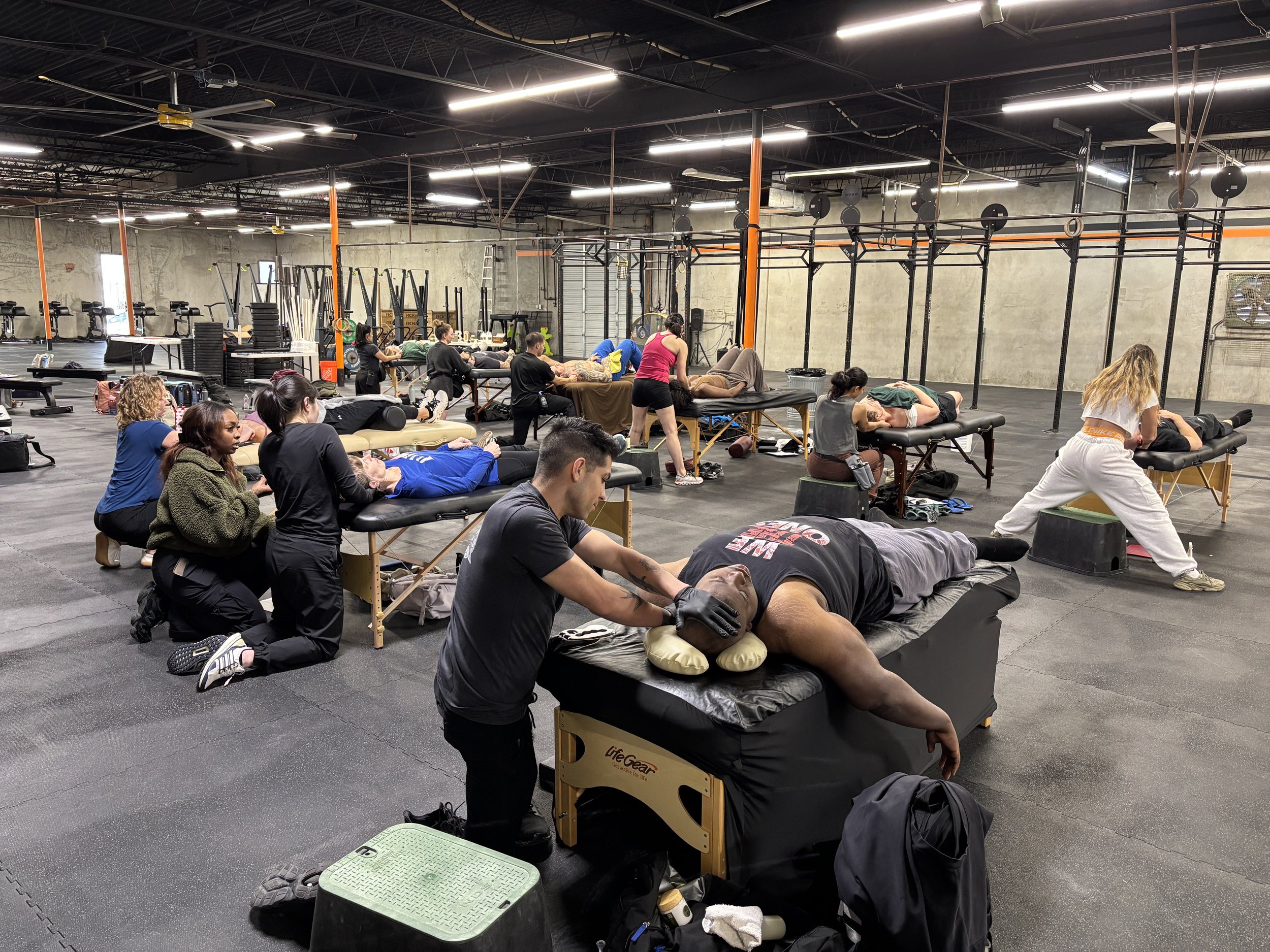
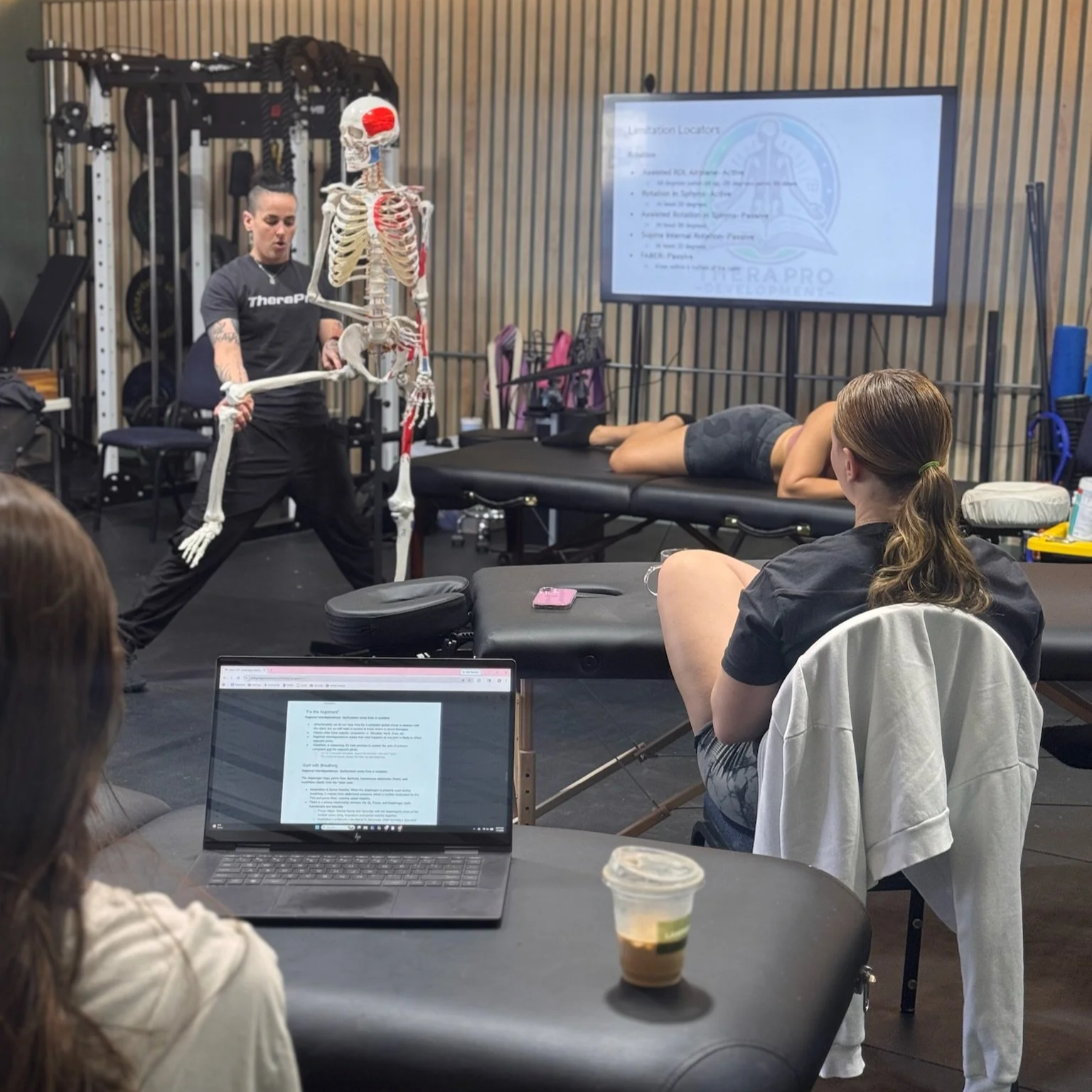
I came to a realization in a recent TheraPro Course. After a long lecture on the relevant research of the modalities, while the students were practicing, I walked around, and I asked each student, “if your client asked you right now why you were cupping, and what cupping does, what would you tell them?” And to my surprise, almost all of them struggled to give me a clear, clean, concise answer. I realized, painfully, since I had just spent an hour lecturing, that they didn’t need information.
How I assess Hip Rotation
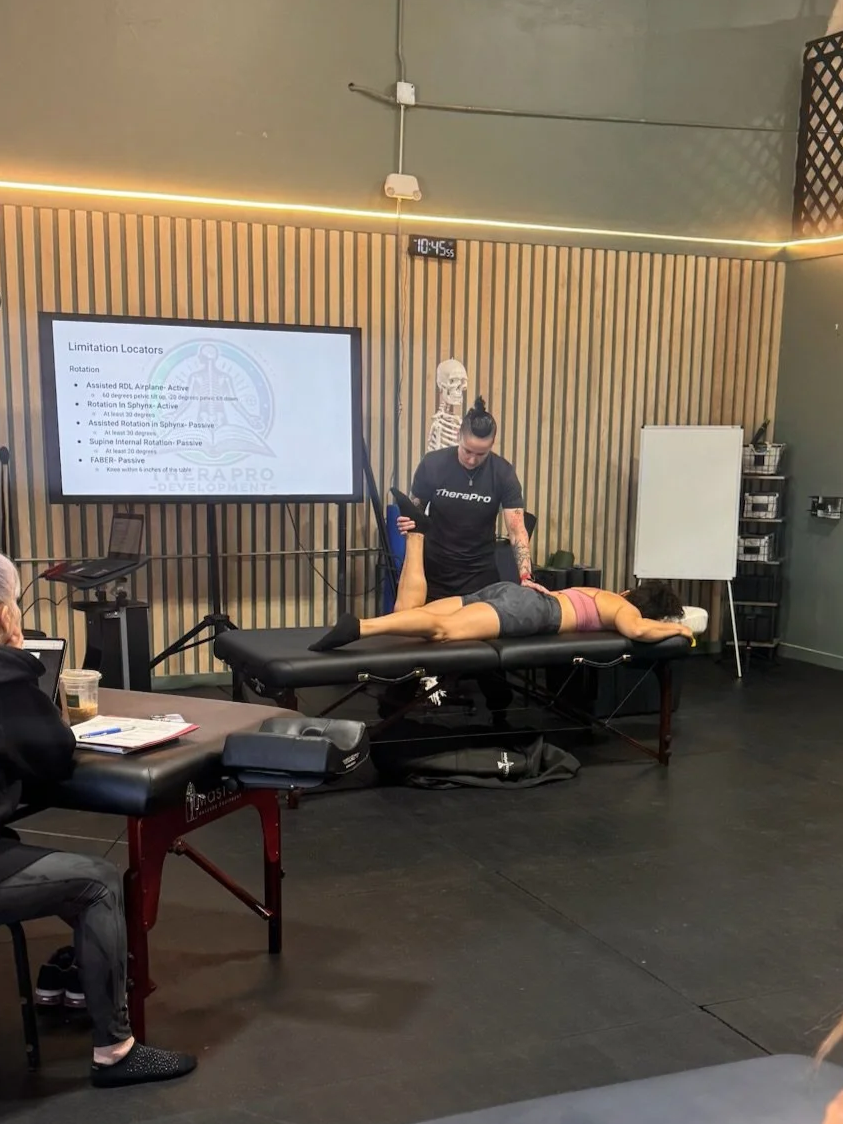
A common finding in the TheraPro Method Assessment is a lack of rotation expressed in the Global Rotation MacroMovement. Sometimes this can be a lack of true spinal rotation, but I often find that a lack of hip internal rotation is the primary restriction.
Why I Have a Love-Hate Relationship With Janda’s Crossed Syndromes
The longer I’ve worked with people, coached movement, studied pain science, and looked at the actual variability of human bodies, the more complicated my relationship with these syndromes has become. While Janda absolutely contributed valuable ideas to rehabilitation and movement science, I think many practitioners have taken these patterns far too literally. When that happens, we stop assessing humans and start looking for templates.
Red Light Therapy: What It Actually Does and How to Use It as a Practitioner
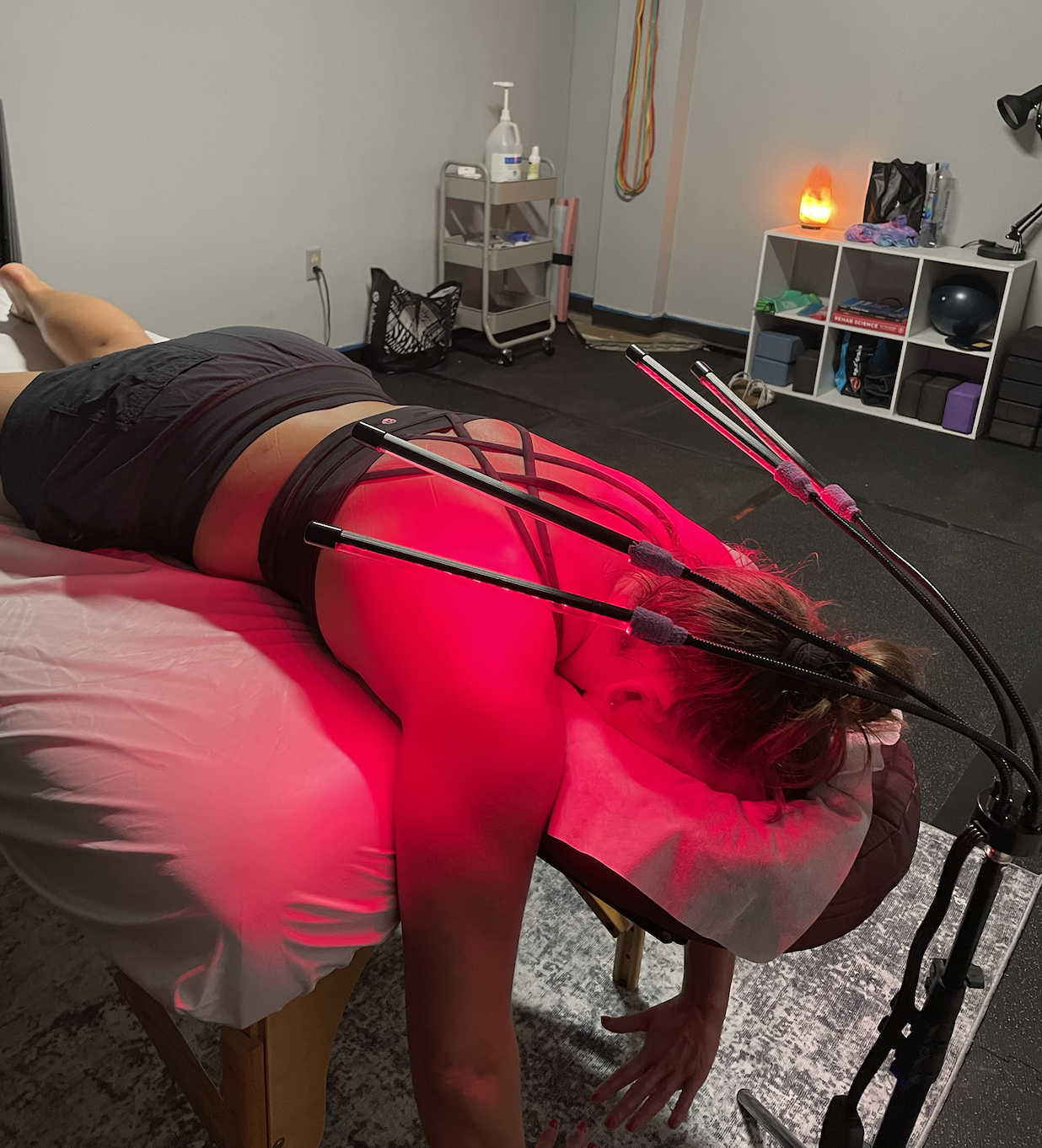
Red light therapy has become increasingly popular over the last few years. You’ve probably seen it marketed as a solution for everything from pain to recovery to skin health. Like most things that gain traction quickly, it tends to get oversimplified or overhyped. So the better question is not “does it work?” but rather, what does it actually do, and how should we use it?
Burnout in Massage Therapy: Why It Happens and How to Prevent It
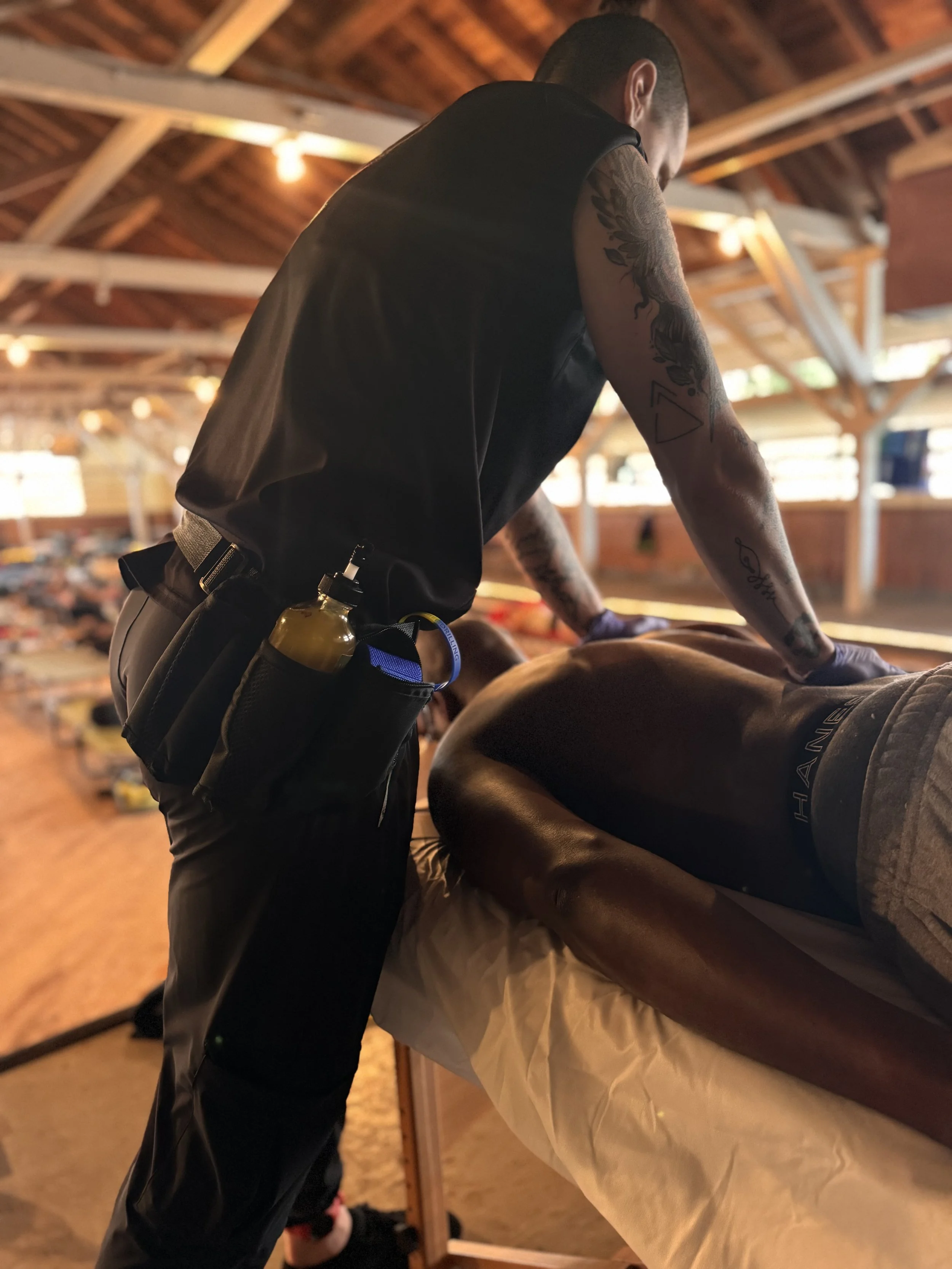
Burnout is misunderstood. You’re not just tired. At its core, burnout tends to come from a mismatch between effort and reward. You’re putting in a lot, physically and emotionally, and not getting the level of satisfaction, progress, or recognition you expected in return.
What the Research Actually Says About Myofascial Release and Fascia
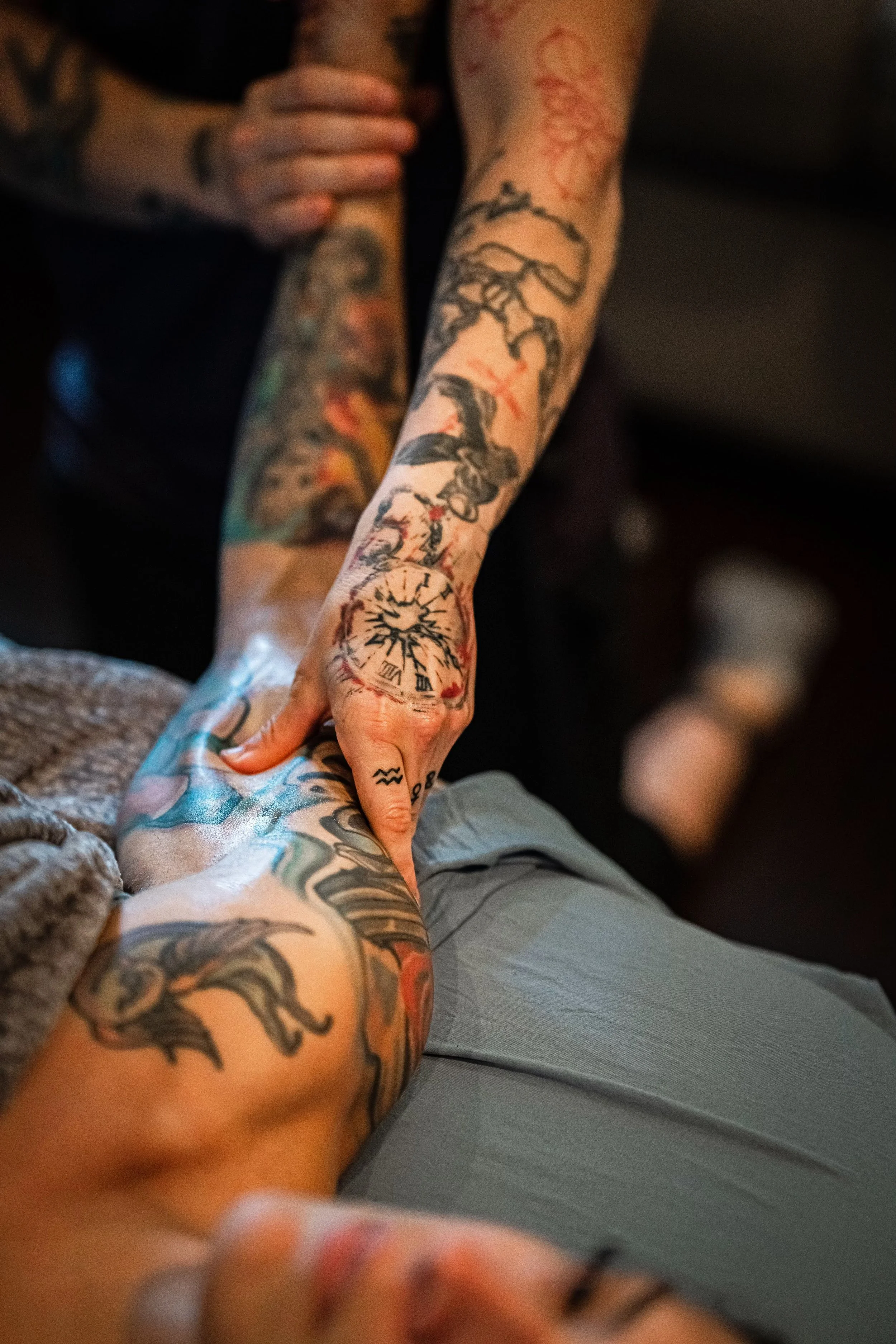
If you’re a massage therapist, you’ve probably heard a lot of different claims about fascia. Some people believe it’s the key to everything. Others believe it’s irrelevant and that manual therapy doesn’t meaningfully change tissue at all. The truth, like most things, sits somewhere in the middle.
Why Your Treatment Space Matters More Than You Think
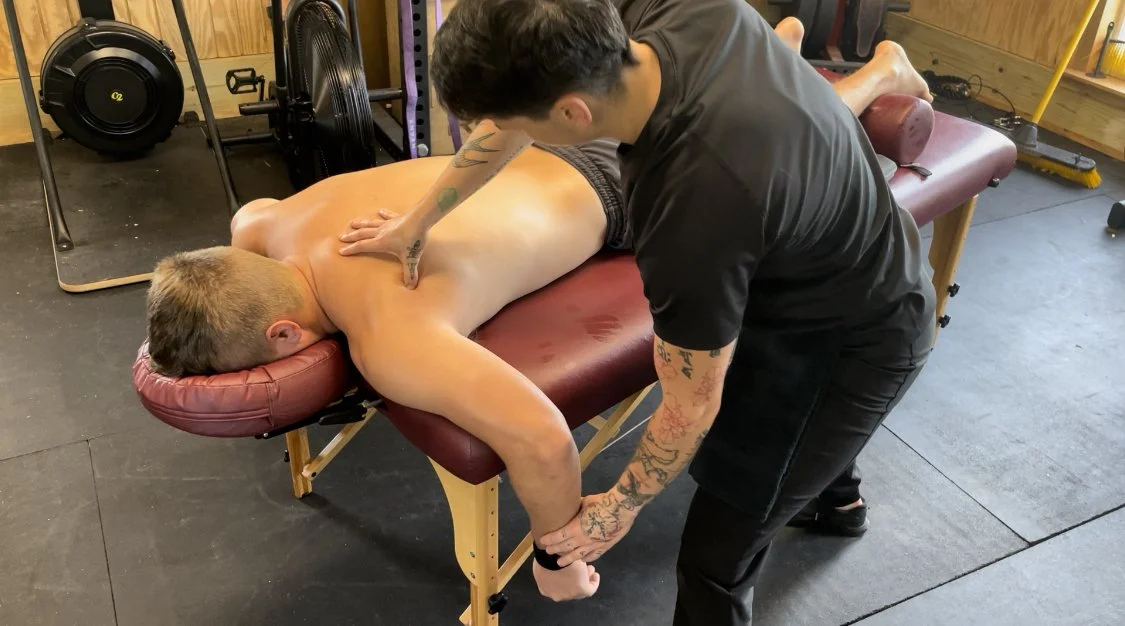
When people think about improving their work as a manual therapist, they usually focus on skills: Better assessments, better hands-on techniques, and better clinical thinking. Don’t get me wrong, all of that matters. But something that often gets overlooked is the environment you’re working in, and how much that environment influences your outcomes.
Dealing with Criticism, Hate, and Dogma as an Evidence-Informed Practitioner
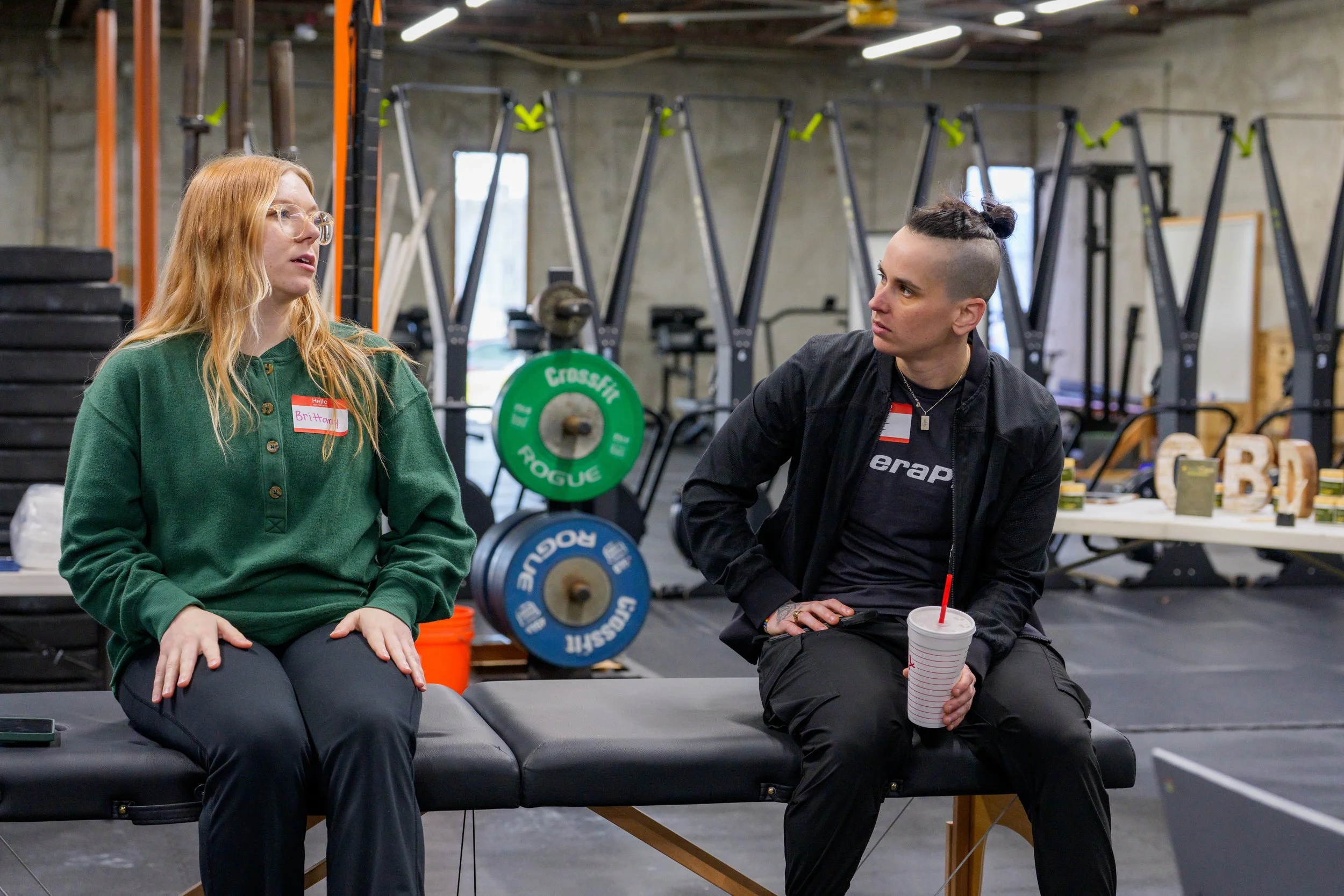
If you put your thoughts, beliefs, or work out into the world, whether that’s on social media, in your clinic, or in conversations with other professionals, you are going to face criticism. Not just occasionally, but probably consistently.

How Massage Therapists Can Help Athletes with Pain & Injuries
Athletes will experience pain. That’s not a possibility, it’s a guarantee. The role of a manual therapist is not just to “fix” pain, but to help the athlete understand it, navigate it, and ultimately adapt in a way that allows them to keep training and performing. To do that effectively, we need a structured approach.
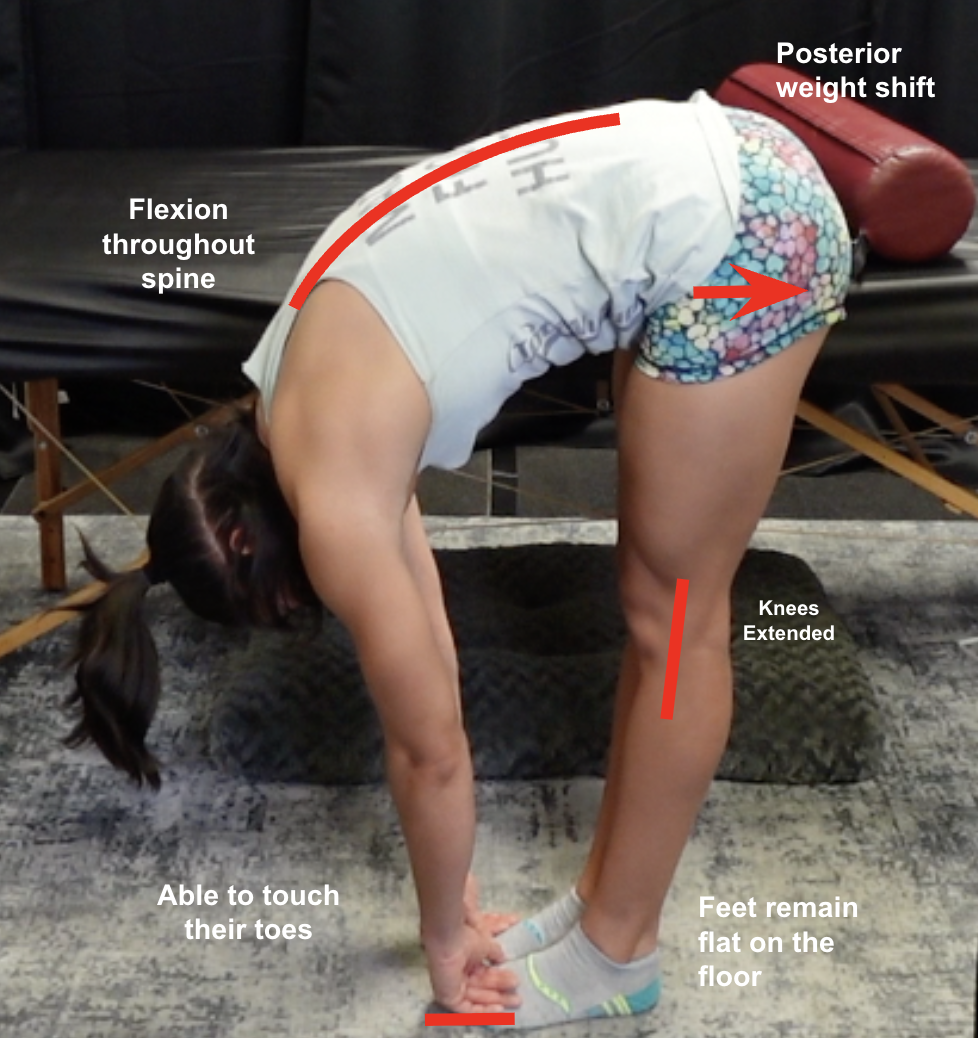
Trunk Movement Assessment Pt. 1: Global Flexion (Patreon Exclusive)
Assessing Global flexion gives a massage therapist clinically useful information about load tolerance, tissue extensibility, neuromuscular control, and symptom behavior, all of which directly influence pain presentation, injury risk, and treatment strategy, especially with SI, low back, or hip pain.
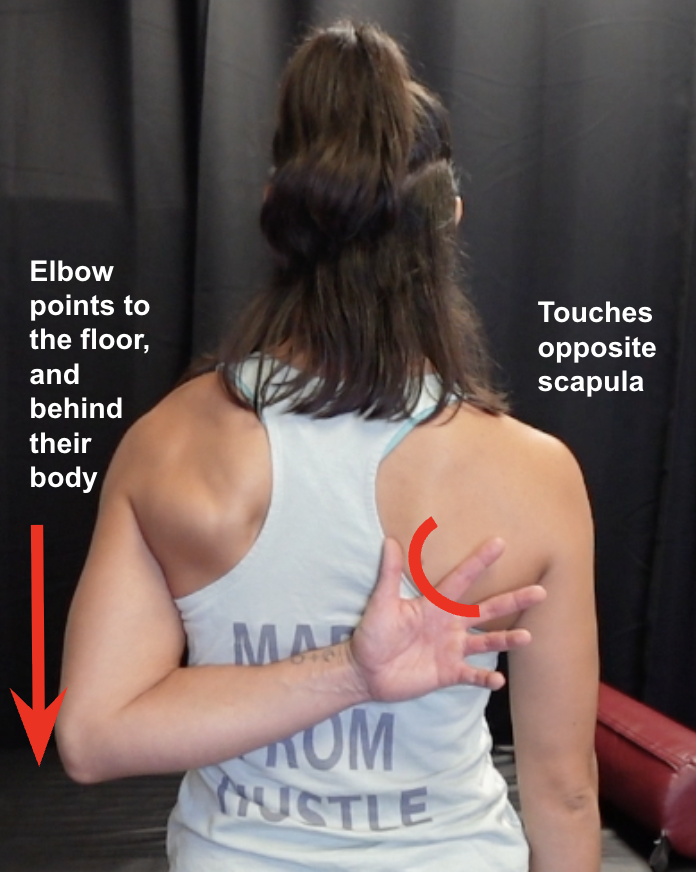
Shoulder Movement Assessment Pt. 1: Apley IRE
For massage therapists, assessing shoulder motion is important because it informs clinical reasoning, safety, and treatment effectiveness within the scope of practice. In part 1 of our shoulder motion assessment breakdown, we will complete the global movement check of the shoulder by assessing the Apley IRE.
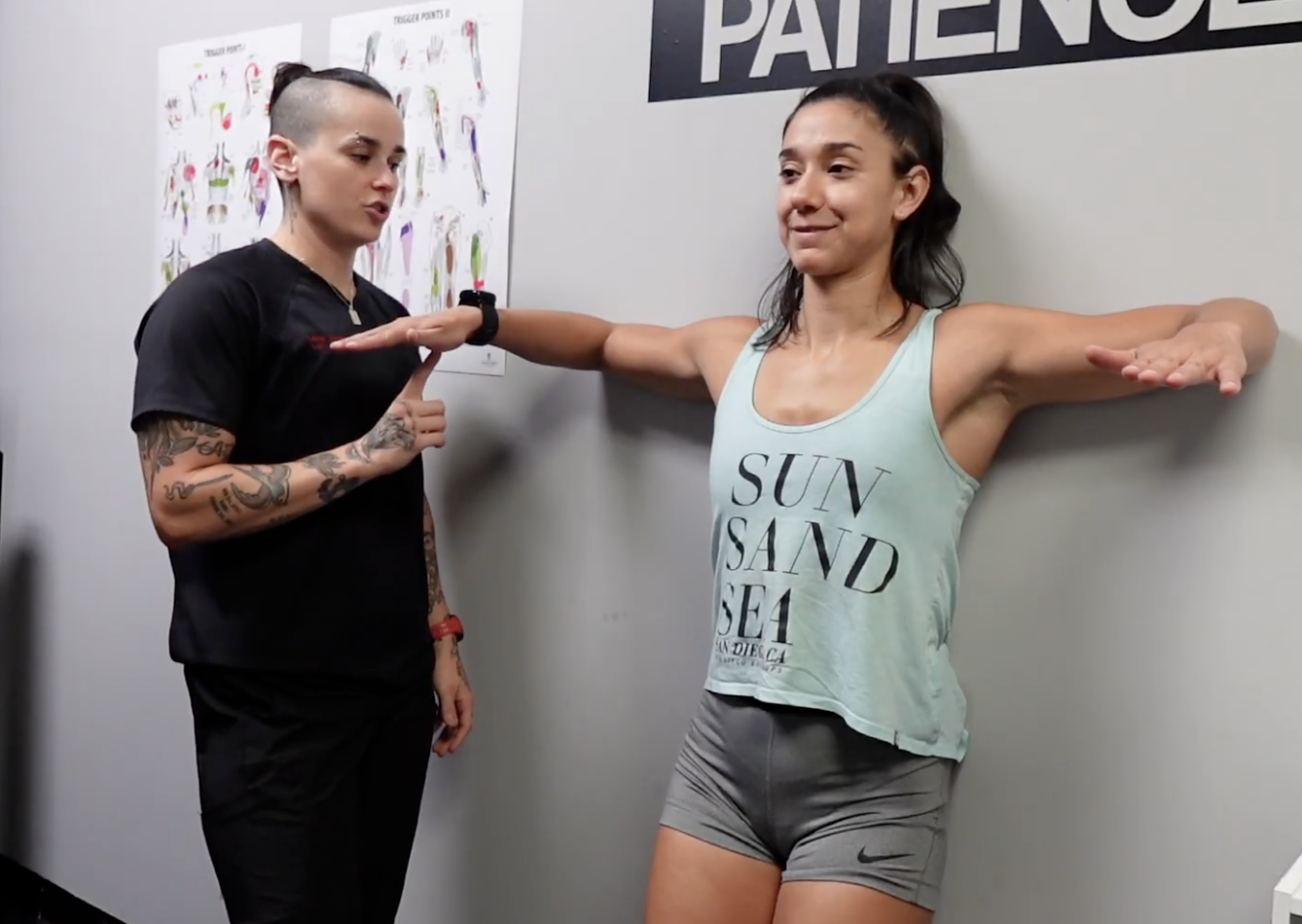
Assess, don’t Guess
While movement screening is more commonly associated with physical therapists or trainers, it offers distinct, valuable benefits when integrated into massage therapy, as long as it stays within the scope of practice.

IASTM Advantage?
Is IASTM, also known as “scraping”, an effective means of soft tissue work? The use of tools to treat soft tissue dates back thousands of years.
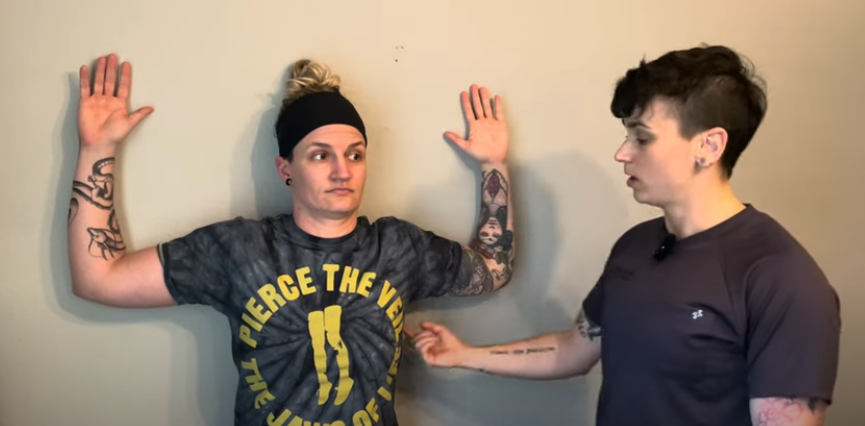
Good Therapists are Skilled, Great Therapists give Homework
A good massage therapist has a full toolbox of techniques, deep tissue work, trigger point therapy, stretching, mobilization, and can skillfully apply them to ease a client’s pain in the moment. They create relief, restore movement, and send the client home feeling better than when they arrived. But a great massage therapist goes a step further.
What are Soft Tissue Mobilizations?
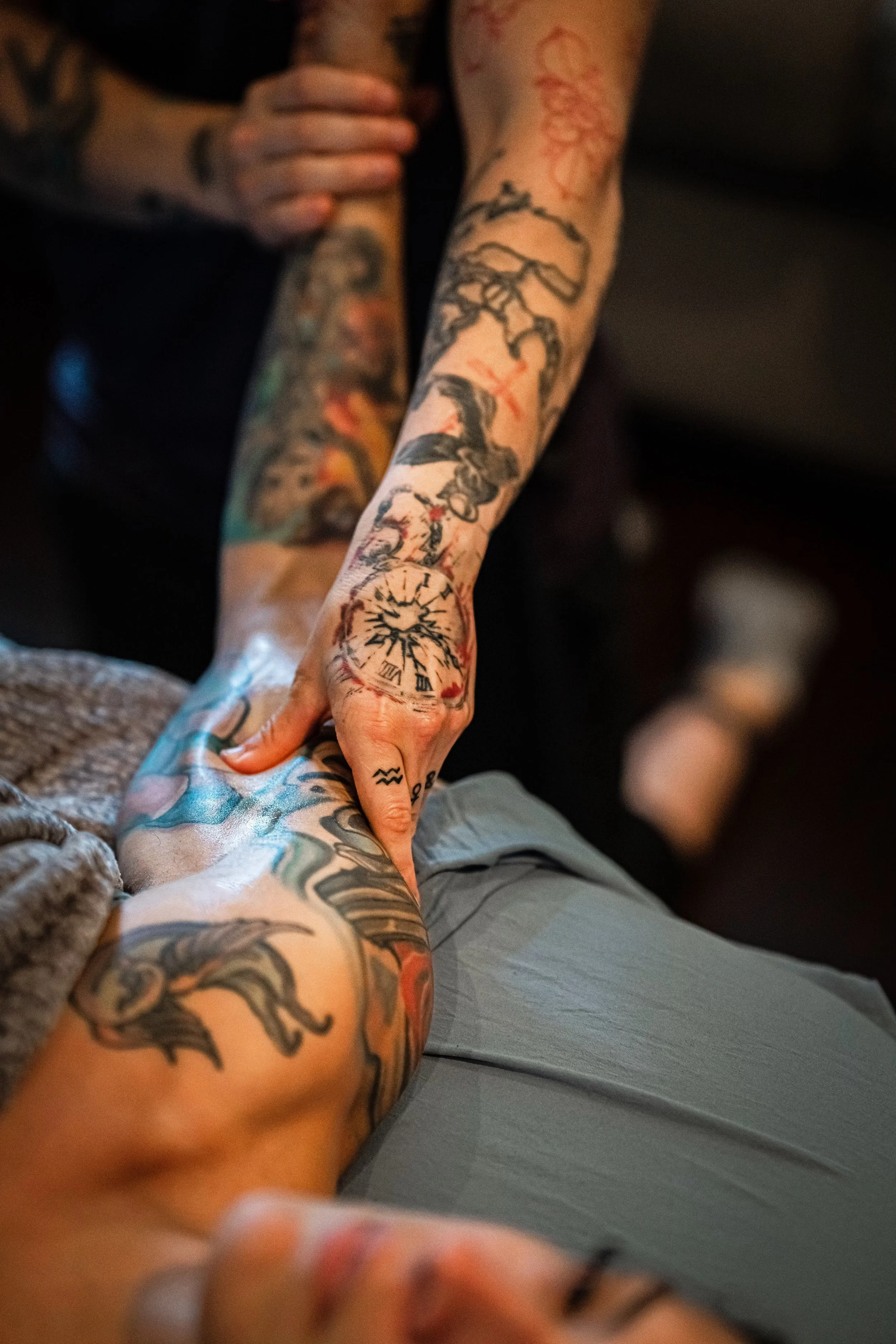
Soft Tissue Mobilization (STM) is an umbrella term used to describe manual, hands-on techniques that manipulate and promote the movement of soft tissues such as fascia, muscles, tendons, etc. You will see the term applied to many different forms of manual therapy; however, we focus on the utilization of movement, both active and passive, during the manual manipulation of tissue.
The Sensorimotor Loop & Massage Therapy
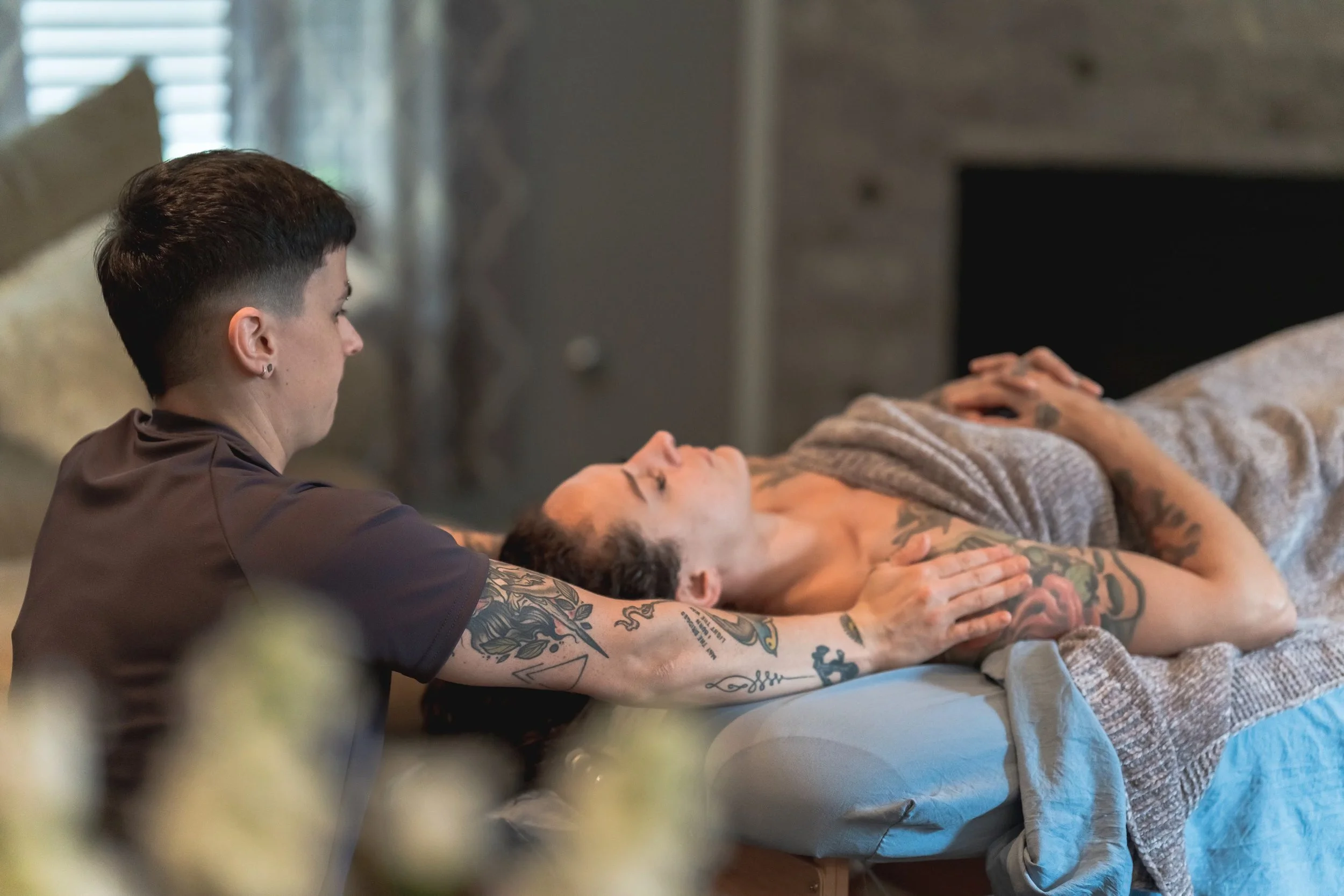
Movement occurs with constant feedback from the senses, and adjustments are made in milliseconds by the brain.

What are Muscle Energy Techniques?
Muscle energy techniques are derived from osteopathic medicine and involve submaximal isometric contractions to mobilize and manipulate soft tissues to address musculoskeletal dysfunction.