Shoulder Movement Assessment Pt. 1: Apley IRE
For massage therapists, assessing shoulder motion is important because it informs clinical reasoning, safety, and treatment effectiveness within the scope of practice. In part 1 of our shoulder motion assessment breakdown, we will complete the global movement check of the shoulder by assessing the Apley IRE.
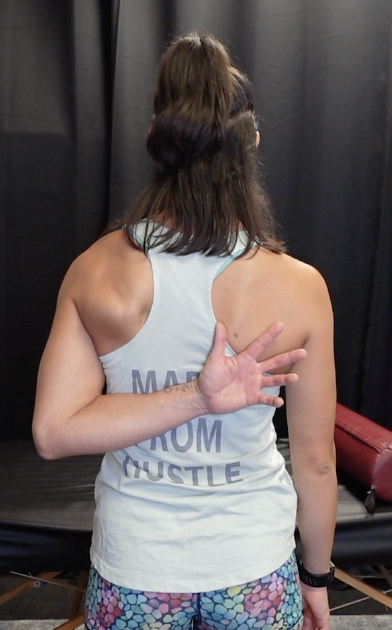
Apley IRE
Apley IRE
The Apley IRE is the second half of the Apley Scratch Test that specifically requires glenohumeral extension, internal rotation, and scapular downward rotation (and some anterior tilt). An inability to comfortably reach behind the back, typically reflecting limitations in shoulder extension, internal rotation, and scapular downward rotation, can lead to a distinct but equally predictable set of functional and clinical issues.
What this assesses:
Glenohumeral Internal rotation (IR), extension (E), and scapular downward rotation. Elbow flexion is also a factor in this assessment. If the movement is dysfunctional, check shoulder extension and internal rotation in the focused assessment
Instructions:
The client stands with feet together and toes pointed forward. Instruct the client to reach behind their back and try to touch the inferior angle of the opposite side scapula. Test on both arms. Refrain from coaching.
How to Insruct:
"Reach behind your back and try to touch the bottom of the shoulder blade on the other side. Try not to arch your back when you do so."
Ideal (Passing criteria):
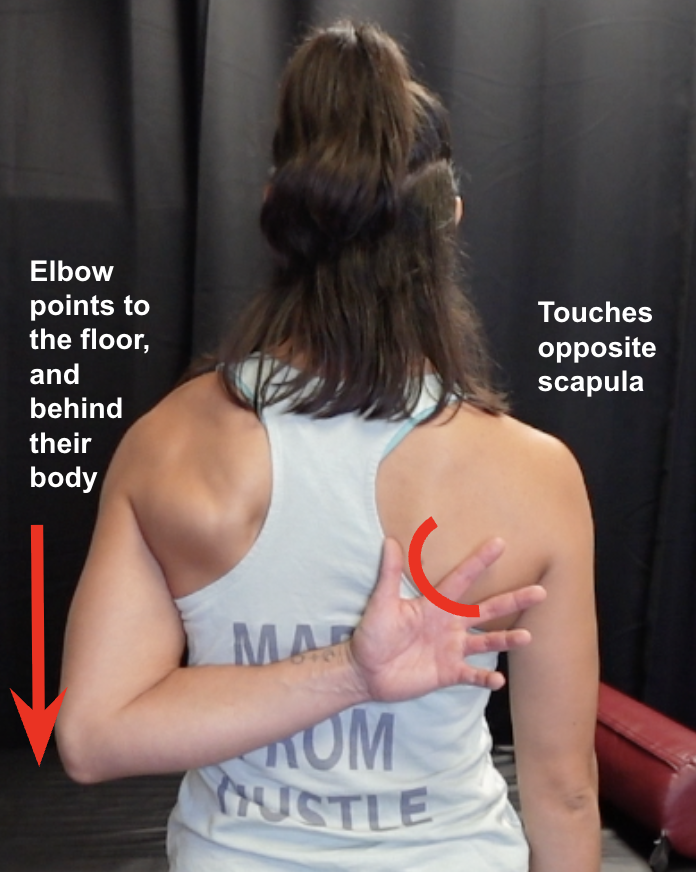
Touch the inferior angle of the opposite scapula
The elbow points to the floor and reaches behind the back
The lumbar spine remains neutral
Common Compensations (What to watch for):
The hand pronates
The scapula wings excessively
The torso rotates
The lower back arches
Common problems include:
1. Posterior and lateral shoulder pain: Limited internal rotation and extension increase strain on posterior shoulder tissues during everyday tasks such as dressing or reaching into back pockets. This pattern is often associated with posterior shoulder tightness and altered humeral head mechanics.
2. Compensatory shoulder elevation and trunk rotation: When true behind-the-back motion is limited, individuals often compensate by hiking the shoulder, excessively rotating the trunk, or flexing the spine. These strategies may reduce immediate discomfort but increase cumulative stress elsewhere.
3. Neck and upper-back tension: Repeated scapular elevation and poor downward rotation can drive overactivity in the upper trapezius and levator scapulae, contributing to chronic neck stiffness or headaches.
4. Reduced tolerance to pressing and pushing tasks: Poor extension and internal rotation can affect end-range control during push-ups, bench press, dips, and transitions such as getting up from the floor or chair.
5. Impaired scapular rhythm and shoulder stability: Limited downward rotation and extension reduce the shoulder’s ability to transition between reaching, pulling smoothly, and weight-bearing positions, increasing joint irritability over time.
6. Functional limitations in daily activities: Difficulty with dressing (hooking a bra, tucking in a shirt), personal hygiene, reaching seatbelts, or managing clothing behind the body is common and often underappreciated.
7. Reinforcement of pain-avoidance patterns: If behind-the-back movements consistently feel restricted or painful, clients may stop using those ranges altogether, leading to further stiffness, loss of strength, and sensitivity.
For massage therapists, identifying these limitations helps contextualize posterior shoulder and neck symptoms, guide positioning and technique choices, and support appropriate education or referral, without requiring diagnosis or pathologizing the client.
If a client is unable to complete the Apley ERF to the standards, without pain and compensation, then we need to assess the shoulder further to examine motor control and or/ mobility limitations.
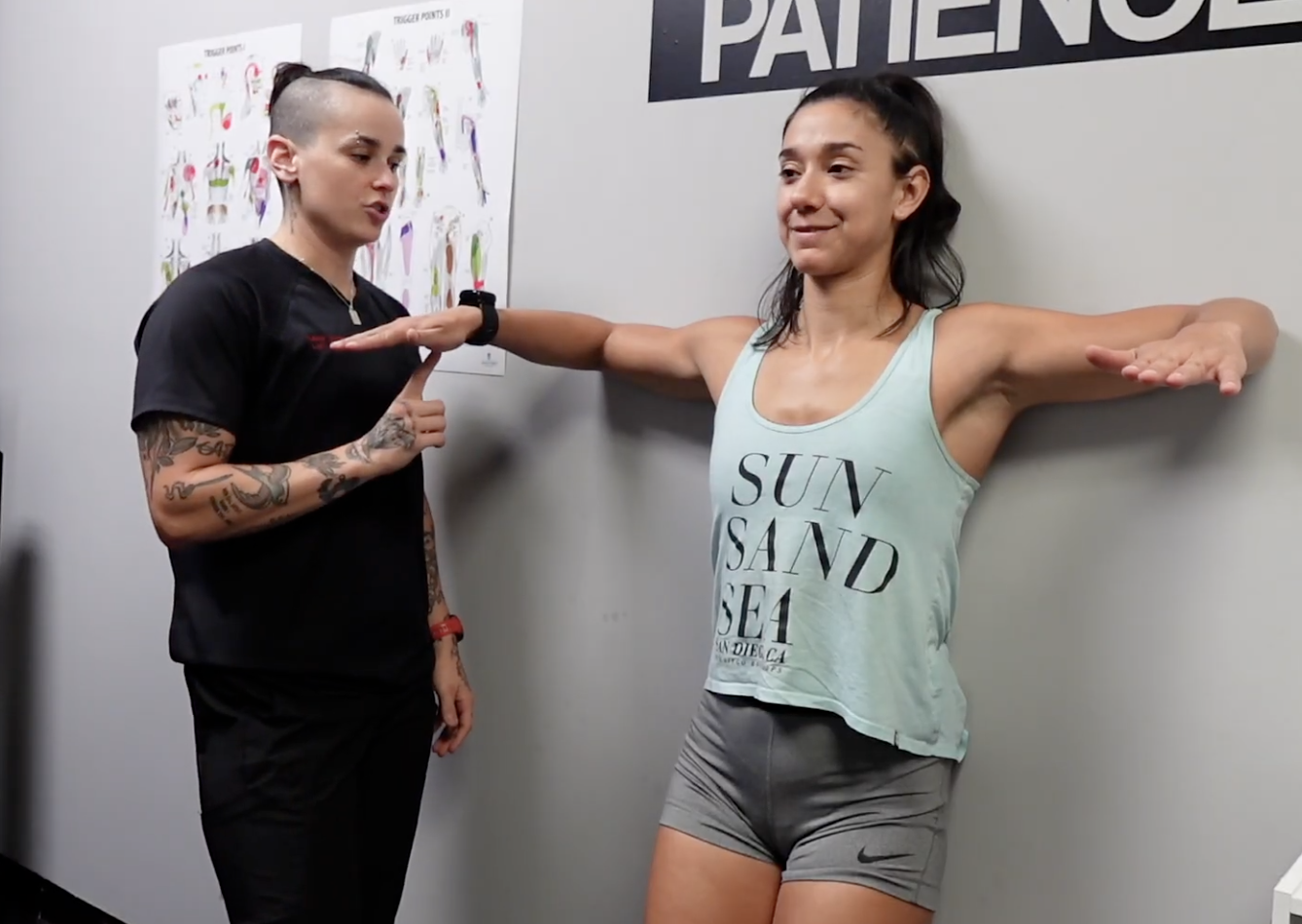
TheraPro Method Wall Assessment for Shoulder Dysfunction
Join Patreon to see a demonstration video, as well as access to parts 2-6, where we'll begin to explore the Limitation Locators for theshoulder and why they're important. If you'd like to learn more about the assessment process, check out the TheraPro Method Assessment.