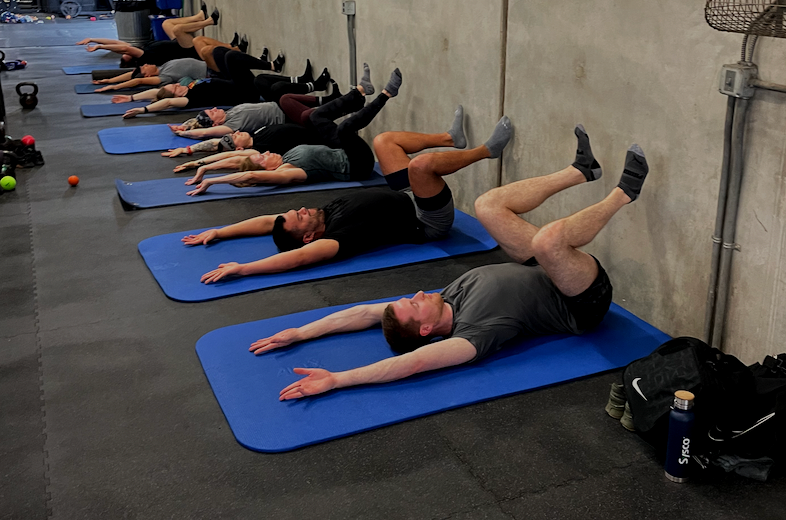
TheraPro Method Assessment
The TheraPro Method Assessment is a movement screen designed to identify and address movement limitations and how they may be contributing to a client's pain or dysfunction.
Rooted in evidence-informed assessment and performance principles, the TheraPro Method provides therapists with a framework for assessment and progression to get clients pain-free and moving well.
-
-
What is the TheraPro Method Assessment?
-
Why should body workers and massage therapists learn a movement screen?
-
Lesson 3: Scope of Practice
What is a Massage therapists scope of practice as it relates to assessing movement?
What is a Massage therapists scope of practice as it relates to assessing movement?
-
How can you use the TheraPro assessment in your own practice?
-
-
-
Lesson 1: Principles of Movement Assessment
What’s included in a movement assessment and why do we need it?
What’s included in a movement assessment and why do we need it?
-
What is motor control?
-
How does massage therapy influence motor control?
-
Why is a framework necessary?
-
What you need to know before testing
-
-
-
Cervical Flexion, lateral Flexion, and extension
-
Focused assessment for limited cervical flexion
-
Lesson 3: Cervical Lateral Flexion Limitation Locators
Focused assessment for limited cervical lateral flexion
Focused assessment for limited cervical lateral flexion
-
Focused assessment for limited cervical extension
-
Cervical Rotation
-
Focused assessment for limited cervical rotation
-
Quick reference guides for neck assessment
-
-
-
Shoulder Flexion and external rotation
-
Shoulder extension and internal rotation
-
Lesson 3: Wall Assessment
Limitation locator for shoulder flexion, internal and external rotation, and scapula upward rotation
Limitation locator for shoulder flexion, internal and external rotation, and scapula upward rotation
-
Active Assessment of scapular retraction and glenohumeral extension
-
Passive Assessment of the shoulder
-
T-spine rotation assessment
-
Manual Muscle Test for important shoulder muscles
-
Quick reference guides for neck assessment
-
-
-
Trunk Flexion
-
Limitation locator for spine flexion
-
Limitation locator for hip flexion
-
Trunk Extension
-
Limitation locator for spine extension
-
Limitation locator for hip extension
-
Trunk rotation
-
Limitation locator for spine rotation
-
Limitation locator for Hip rotation
-
Limitation locator for Hip abduction
-
Manual Muscle Test for important Hip muscles
-
Quick reference guides for trunk assessment
-
-
-
What You'll LearnAssess movement with purpose and stop chasing symptoms
Learn how to identify your client's movement limitations to create personalized and targeted therapy sessions that don't just address pain, but get to the root of it
Stop Chasing Pain
Each section comes with an assessment flowchart and myofascial tissue restriction guidance, so you know what assessments to rely on and where to target your therapies.
Assessment Flow
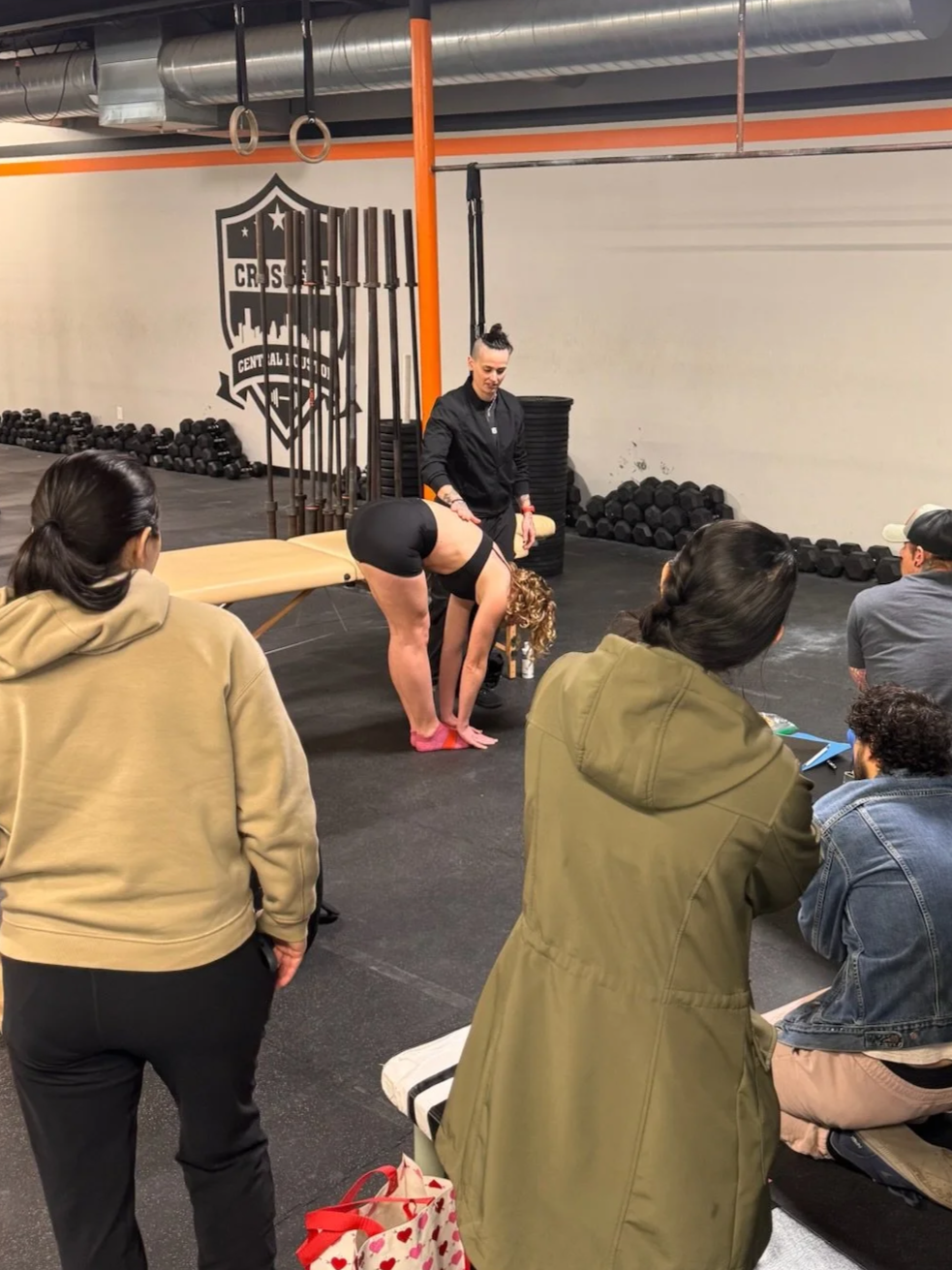
Kasie Tedrick, Instructor
With over thirty video demonstrations, therapists will learn precisely how to assess, what assessments to conduct, what they mean, and why they're doing them.
Assessment Breakdowns
Therapists will learn the foundations of movement expression and regional interdependence, why it's essential to examine, and how dysfunctional movement can contribute to pain and injury.
Understand Movement